References

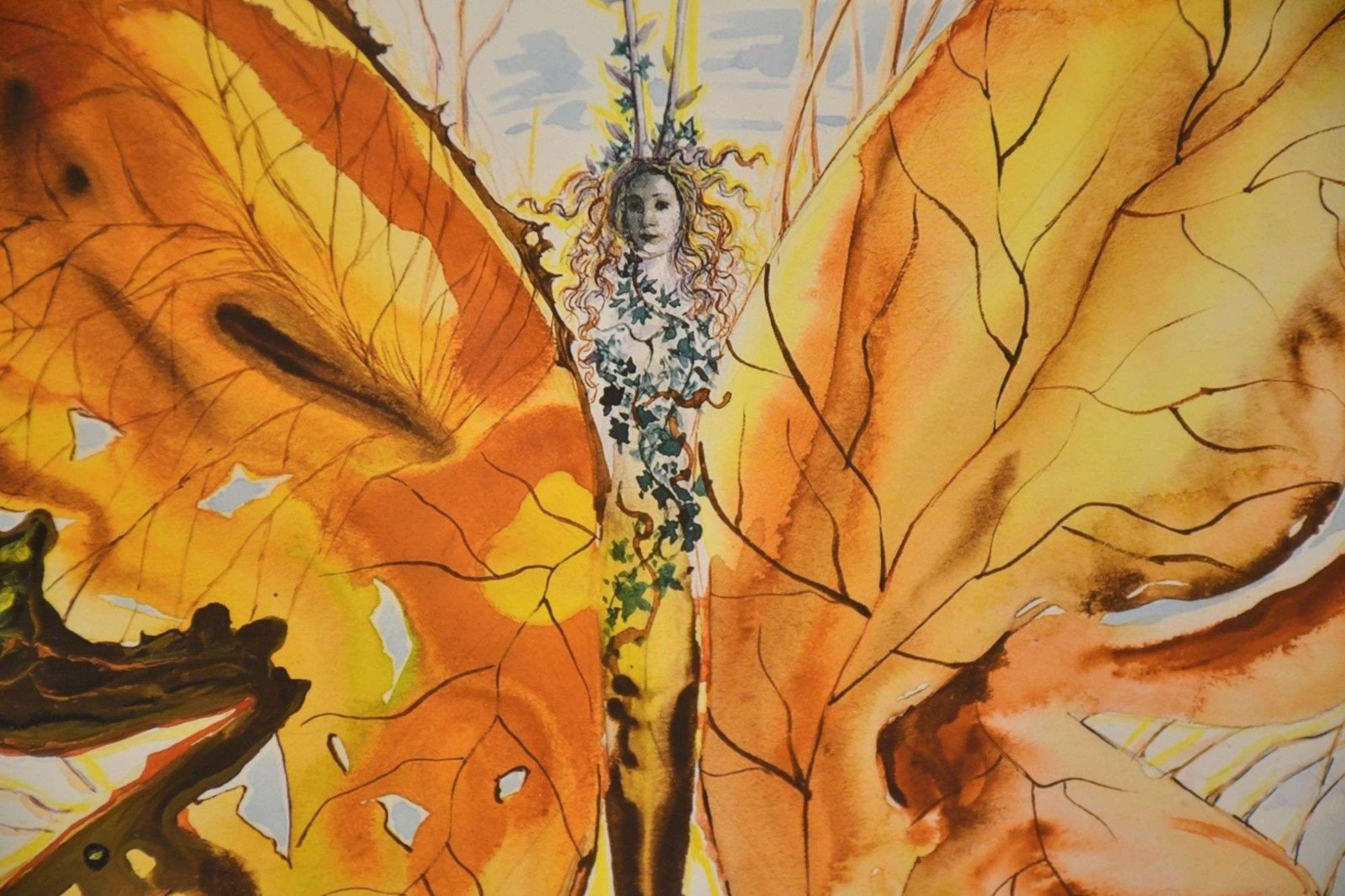
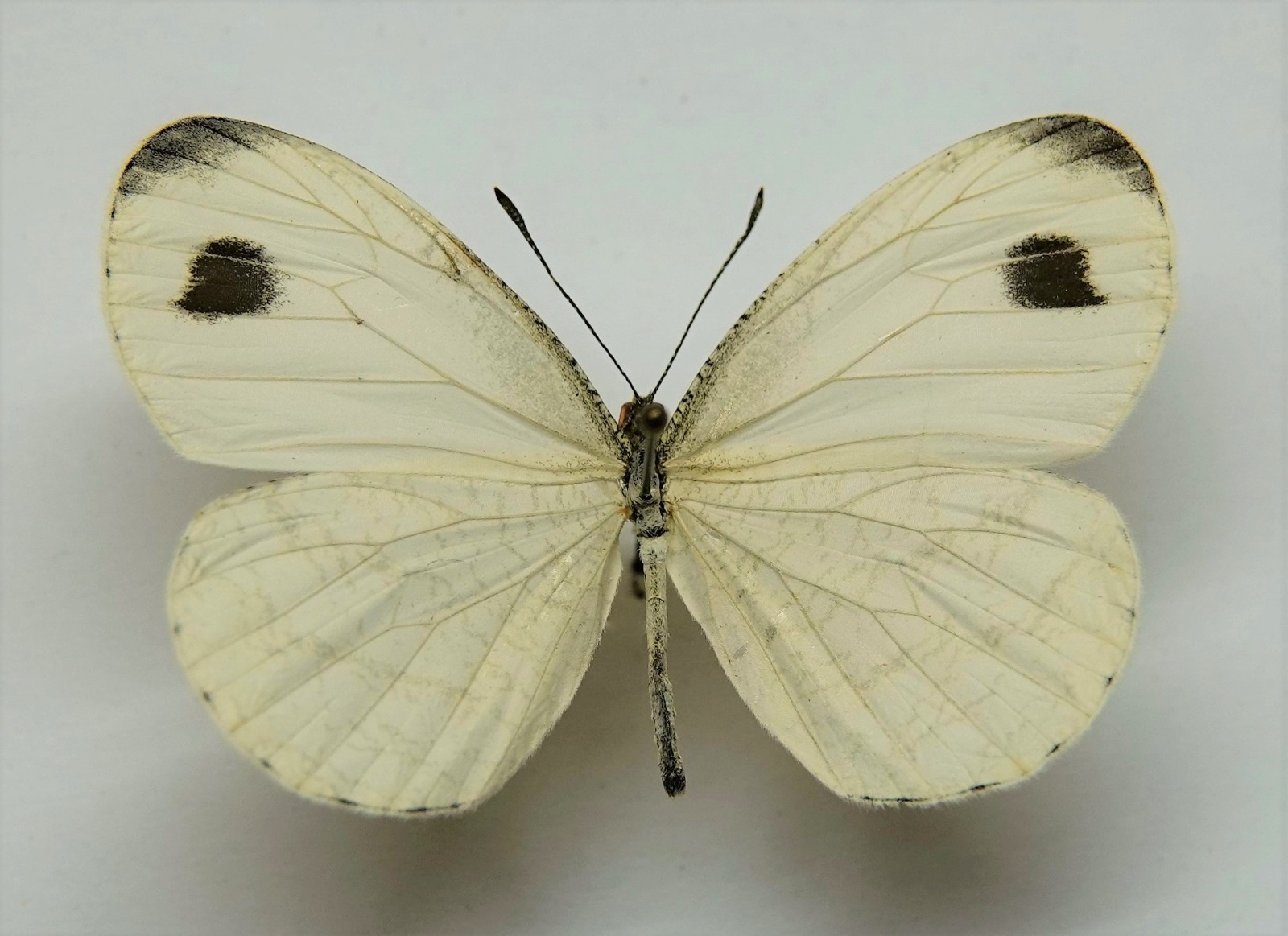
The first image guides the organic costume language: body, leaves, roots, and theatrical wings. The second image guides the lighter, nearly invisible butterfly-wing tone and subtle vein structure.

Botanical butterfly costume sketch reference
Botanical body and theatrical wing direction
Pale butterfly wing reference
Pale wings, delicate veins, almost invisible at rest

Design Brief

Dress and wings that can accept a hidden motion system

The upper body should feel like leaves and vines are growing around the body. The first vine begins at the neck like a collar and moves diagonally across the chest. A second vine starts lower on the opposite side and curves upward around the navel in an S-shape, reconnecting toward the chest.

The lower body becomes the stem. Darker bark tones around the hips and upper legs should suggest roots, so the costume feels like the person is gradually becoming part of a plant.

The wings should adapt the theatre-wing idea into something simpler, lighter, and more delicate. They should be brighter than the lower body of the dress, with subtle vein lines similar to real butterfly wings. At rest, they should feel almost invisible.

Mechanism

The motion system will be built separately and embedded into the back structure. The costume should leave room for the mechanism while preserving the soft, natural silhouette.

ESP32-S3 as the main controller
Micro servos for smooth wing opening and fluttering
Back-mounted support structure hidden inside the costume
Lightweight wing frame that can move without warping
Fabric or membrane wing surface with subtle vein lines
Battery routing and wire paths concealed in the back/body structure